



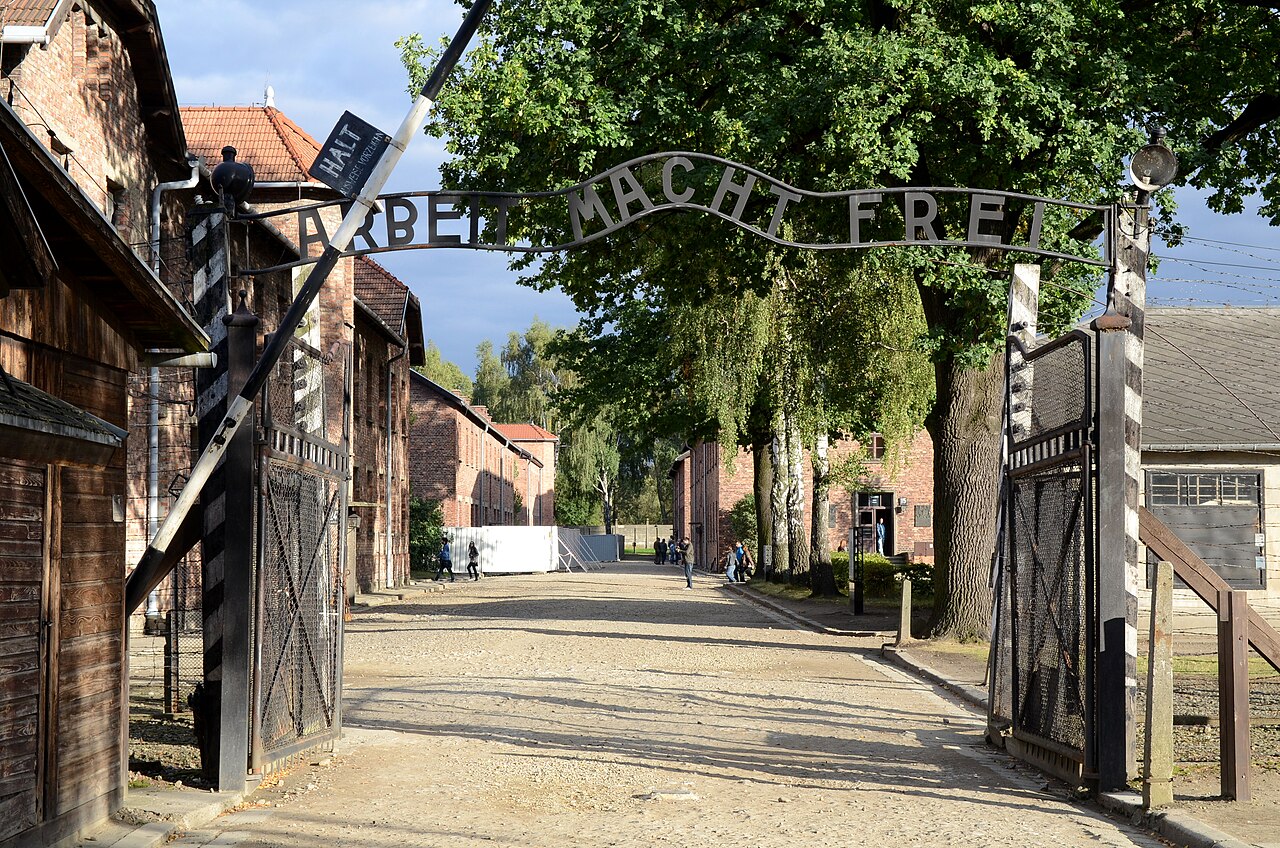
Auschwitz
Auschwitz, also known as Oświęcim, was a complex of over 40 concentration and extermination camps operated by Nazi Germany in occupied Poland during World War II and the Holocaust. It consisted of Auschwitz I, the main camp (Stammlager) in Oświęcim; Auschwitz II-Birkenau, a concentration and extermination camp with gas chambers, Auschwitz III-Monowitz, a labour camp for the chemical conglomerate IG Farben, and dozens of subcamps. Wikipedia
Before you go
Emergency numbers in Poland
- January: 8 h 32 of daylight
- February: 10 h 06 of daylight
- March: 11 h 49 of daylight
- April: 13 h 45 of daylight
- May: 15 h 24 of daylight
- June: 16 h 21 of daylight
- July: 15 h 58 of daylight
- August: 14 h 31 of daylight
- September: 12 h 40 of daylight
- October: 10 h 49 of daylight
- November: 9 h 04 of daylight
- December: 8 h 06 of daylight
Getting there
Remembered in this browser only, with the last few you used.
Best-documented sights
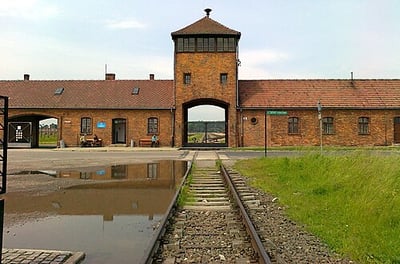
All of them in the guide- German Nazi Concentration and Extermination Camp Auschwitz II-Birkenau Museum · 650 m
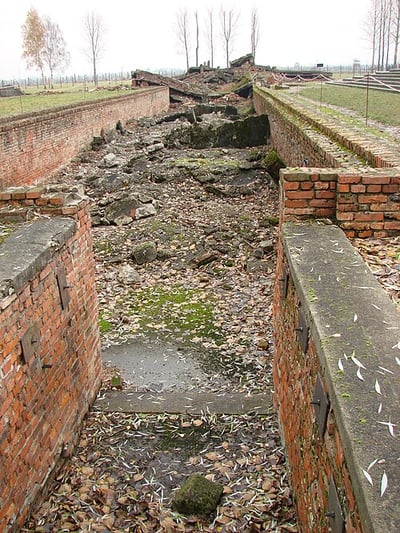
- Gas Chamber/Crematory III Ruins · 640 m
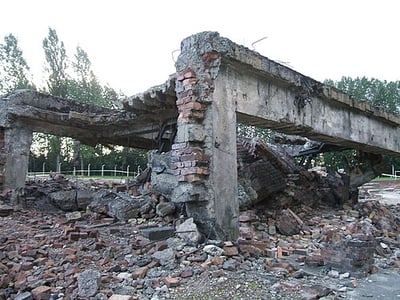
- Gas Chamber/Crematory II Ruins · 680 m
- I Judenrampe Memorial · 880 m
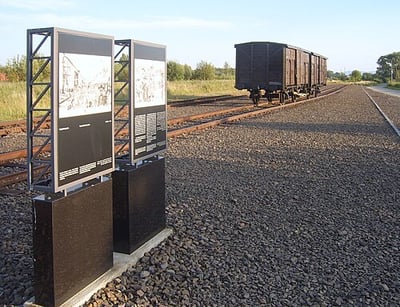
- Gas chamber/Crematorium IV Ruins · 890 m
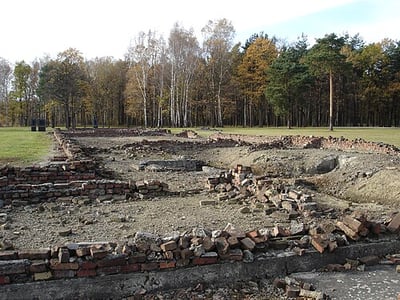
- Gas chamber/Crematorium V Ruins · 960 m
- Auschwitz-Birkenau Memorial · 220 m
- B - the Statue Memorial · 460 m
Within a kilometre of the centre, ordered by how well documented each is — not by a "best" anyone decided. Each opens on the map in the guide. Photos from Wikimedia Commons, credited there.
Getting around
Places © OpenStreetMap contributors, as of 17 October 2026. Description from Wikipedia (CC BY-SA). Events from Wikidata and Wikivoyage, population from Wikidata.